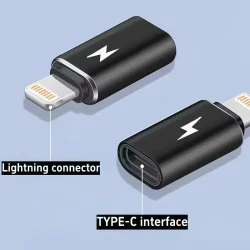
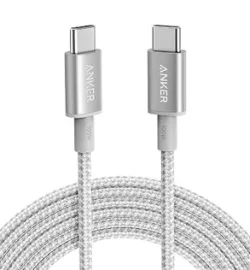
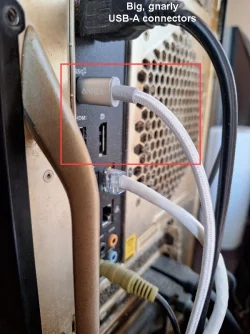
The transition from Apple’s proprietary Lightning connector to the universal USB-C port (starting with the iPhone 15 lineup) represents a major shift in connectivity, charging capability, and data transfer speeds. USB-C offers far superior bandwidth and power limits, while Lightning features a distinct physical design backed by years of ecosystem standardization.
Key Technical Differences
- Data Speeds: Lightning is historically capped at sluggish USB 2.0 speeds (480 Mbps). Base model USB-C iPhones also run at USB 2.0, but Pro models support USB 3 speeds (up to 10 Gbps), allowing rapid transfer of massive ProRes video files or tethered shooting. []
- Power & Charging: Lightning maxes out around 12W–20W. USB-C natively scales vastly higher under the USB Power Delivery (PD) standard, facilitating much faster charging and reverse-charging small accessories like AirPods or an Apple Watch directly from your iPhone.
- Universality: USB-C is a cross-industry standard used by Android devices, iPads, Nintendo Switches, and laptops, letting you use a single cable for all your electronics. Lightning is strictly exclusive to Apple peripherals.
Physical Design & Durability
- Port Design: Lightning features a hollow female port on the phone with exposed pins on the solid tongue of the male connector. USB-C features a delicate central tongue (the pin assembly) inside the phone's port itself.
- Cleaning & Debris: Opinions on the r/iphone forum have mixed opinions regarding physical wear; however, users note that Lightning ports are generally easier to clear out if pocket lint gets compacted inside, whereas the central blade in a USB-C port requires more care to avoid bending interior pins. []
- Ecosystem & Licensing: Lightning relied on Apple's "Made for iPhone" (MFi) certification program for quality control, whereas USB-C is an open standard with widely varying quality across cheap third-party cables.