GeekWire News:
Tracking down a far-flung team for a 40-year reunion isn’t easy. But the people who worked on Windows 1.0 got some help from their younger selves: a mischievous Easter egg they hid long ago in the software that would become the foundation of the world’s dominant PC platform.
Back in the mid-1980s, before the product launched, they secretly inserted credits in the code, listing their names, to be revealed through a specific combination of keystrokes.
As the story goes, Bill Gates inadvertently found the list by slamming his fists on the keyboard in frustration over the system’s sluggishness, a discovery that only made things worse. The fix: make the sequence more obscure. It worked. The credits went unnoticed by the public until 2022, when a researcher who was reverse-engineering old Windows binaries found them.
When members of the Windows 1.0 team decided to hold a 40th anniversary reunion this year, that roster became their starting point. It was a time capsule that doubled as a guest list.
A core group from that original Windows team reunited over dinner at Steve Ballmer’s offices in Bellevue on Tuesday evening — trading memories, correcting the historical record, and marveling at what they accomplished back then under nearly impossible circumstances.
“Today, developers have all these tools, drag and drop,” said Rao Remala, an early Windows developer, adding that he would challenge anyone today to build a functioning PC operating environment under the 64K segment limits and other technical constraints of the era.
“Have you tried it in ChatGPT?” Ballmer joked from across the room.
This year has been filled with commemorative milestones for the tech giant, from Microsoft’s 50th to Excel’s 40th to the 30th anniversary of the company’s internet pivot. But this one is different. It’s a glimpse into one of Microsoft’s scrappiest projects, from a moment in its history when key resources — including budget and computing power — were far more scarce.
Microsoft’s landmark platform
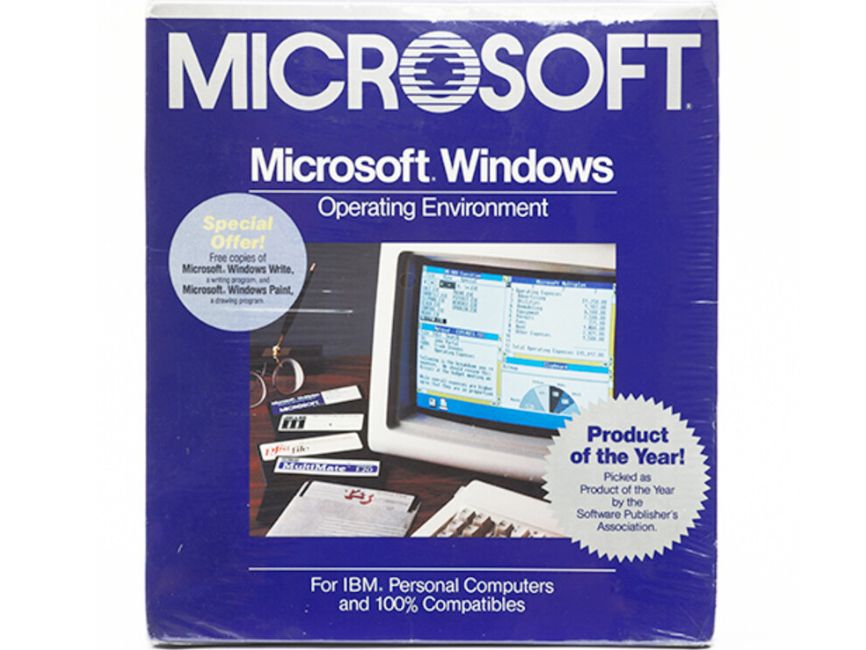
Windows 1.0, which shipped on a set of 5.25-inch floppy disks, was technically considered an operating environment, not an operating system, because it ran on MS-DOS 2.0.Microsoft announced it was developing Windows in November 1983. The release was delayed as the team worked through leadership turnover, technical challenges, and user-interface debates (i.e., tiled vs. overlapping windows), giving rise to industry accusations of peddling “vaporware.” Windows 1.0 finally debuted on Nov. 20, 1985.
Read more:

Inside the Windows 1.0 reunion: How a scrappy team shipped the product that changed everything, eventually
A core group of early Microsoft developers and business leaders reunited this week, 40 years after releasing Windows 1.0, sharing previously untold stories and reflecting on a landmark project that set the stage for a global computing revolution.
 www.geekwire.com




 .
.