As I've explained many times, I'm a hobbyist and experimenter, when it comes to various OS's, of the Windows variety.
I have only a limited number of PC's to play with, and most are ten years old, or more.
Recently I've acquired a copy of Windows 11/Pro/64, 24H2 and installed it onto an SSD on one of my older PC's. It installed just fine, without ever a whimper. But then when I tried to reboot that PC, nothing happened. I got no error messages, no sparks or smoke, it just did not boot.
I pulled that SSD out and installed it into one of my newer PC's and it booted up just fine, and ran just fine.
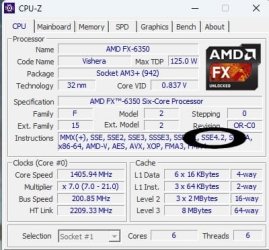
So, I'm just wondering, what 24H2 could be looking for during the boot up process that it's not finding in the older PC's.?
On the PC's that can't or won't run 24H2, they run 23H2 just fine, as well as all earlier versions of Windows 11.
So, it's a big mystery. Any ideas?
TM
I have only a limited number of PC's to play with, and most are ten years old, or more.
Recently I've acquired a copy of Windows 11/Pro/64, 24H2 and installed it onto an SSD on one of my older PC's. It installed just fine, without ever a whimper. But then when I tried to reboot that PC, nothing happened. I got no error messages, no sparks or smoke, it just did not boot.
I pulled that SSD out and installed it into one of my newer PC's and it booted up just fine, and ran just fine.
So, I'm just wondering, what 24H2 could be looking for during the boot up process that it's not finding in the older PC's.?
On the PC's that can't or won't run 24H2, they run 23H2 just fine, as well as all earlier versions of Windows 11.
So, it's a big mystery. Any ideas?
TM











 And why not. Most older PCs will still satisfy the needs and requirements of the average domestic end user. I don't really think that's such a bad thing. Of course, one pays the munny (or not) and takes their chances but is it really so different than jumping on the band wagon of the advertised latest greatest? Is there not risk involved in this also?